According to the American Institute of Architects, non-residential construction spending is projected to grow by 2.2% in 2025 and 2.6% in 2026. The industrial sector is expected to outperform other non-residential projects, with resilience and modest growth in areas like data centers, public infrastructure, and water treatment.
Our trip was focused on promoting policy solutions that address these growing concerns—ensuring that every community, regardless of geography or income, has access to safe and sustainable water. We also were there supporting the trades who install and service this critical infrastructure as well as the manufacturers and wholesale distributors that keep the supply chain full.
The new generation of contractors, engineers, estimators, and procurement officers is digital natives. They expect information to be available, clear, and accessible online—not buried in a PDF. With AI, you can produce content that speaks to this new buyer: FAQs, how-to articles, responsive website content, comparison charts, and more.
Today’s marketplace is flooded with content. Traditional marketing of product and price isn’t enough—supply houses must craft narratives to stand out and be memorable. You do more than stock and sell products, and it’s time to share that with the world.
All respondents overall reported a median May sales increase of 4.5% y/y and -3.7% vs. April 2025. Calendar-year YTD sales were up 5%, while trailing 12-month sales were up 2.4%. Inventoryies rose 6% vs. May 2024. The median three-month average days sales outstanding (DSO) dropped to 40 days.
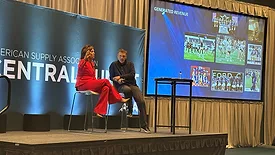
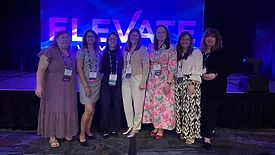
More than 160 PHCP-PVF professionals converged on Arlington, Texas for the recent ASA Central Summit — setting a new attendance benchmark for the nascent event. The Central Summit also set a new benchmark for sponsorship support.
We must consistently evolve to best serve our contractor and wholesaler customers in this ever-evolving industry. Our longstanding relationship with the American Supply Association (ASA) supports that evolution through networking, education, professional development, and advocacy opportunities.
The refrigerant shortage causes frustration; technicians and contractors face delays because equipment is ready but can't be installed without refrigerant. Distributors get calls from customers struggling to stay on schedule. While these concerns are valid, it's important to understand industry efforts to fix the issue and avoid being misled by bad actors profiting from the disruption.
Water conservation is no longer just a sustainability initiative or an environmental checkbox; it is a fundamental component of risk management. The plumbing industry is at the heart of this issue: from commercial to residential, water management is one of the most important ways to manage risk in your business.
The resurgence of onshoring and reshoring in the U.S. plumbing and mechanical industry stems from economic, geopolitical, regulatory, and environmental pressures that prompt manufacturers and distributors to reconsider global sourcing. Four key dynamics drive this shift.
 RSS
RSS