Beyond green: water conservation as risk management
People have seen water conservation as a strictly environmental issue for many years, but things are changing.

The conversation around water conservation has changed.
Image source: Nikolay Tsuguliev / iStock / Getty Images Plus
Water conservation has been a major talking point in the industry for many years. With over 4 billion people (or 50% of the population) living in water-stressed areas (according to the World Resource Institution), it is truly no surprise that water conservation is such a hot topic. People in the industry have to be increasingly vigilant about water usage, whether due to consumer concerns with water usage or laws and regulations requiring it.
However, water conservation is no longer just a sustainability initiative or an environmental checkbox; it is a fundamental component of risk management. The plumbing industry is at the heart of this issue: from commercial to residential, water management is one of the most important ways you can manage risk in your business.
Shifting mindset
For many years, the conversation on water conservation has painted it as a “green” issue, or one that was solely focused on the environment. Climate change, depleting resources and ongoing droughts have been the main topics of conversation when it came to water conservation.
However, the focus has shifted in recent years in the plumbing industry. While, of course, the environmental reasons for water conservation are important, there are several other reasons that this topic should be on your radar. Water conservation matters because it touches nearly every aspect of modern plumbing — from compliance and cost savings to sustainability and system resilience.
Water conservation was once almost exclusively tied to sustainability initiatives, mostly driven by public perception, corporate social responsibility and programs like Leadership in Energy and Environmental Design (LEED) certifications. The focus has been on reducing consumption as a means to protect natural resources and lower greenhouse gas emissions associated with water treatment and pumping.
Manufacturers responded to this call for greener plumbing by the invention of appliances like low-flow toilets, water saving faucets and high-efficiency fixtures – and, in recent years, smart plumbing tools that can alert home and business owners to their water usage. Professionals within the industry have worked tirelessly to help their customers meet their sustainability goals.
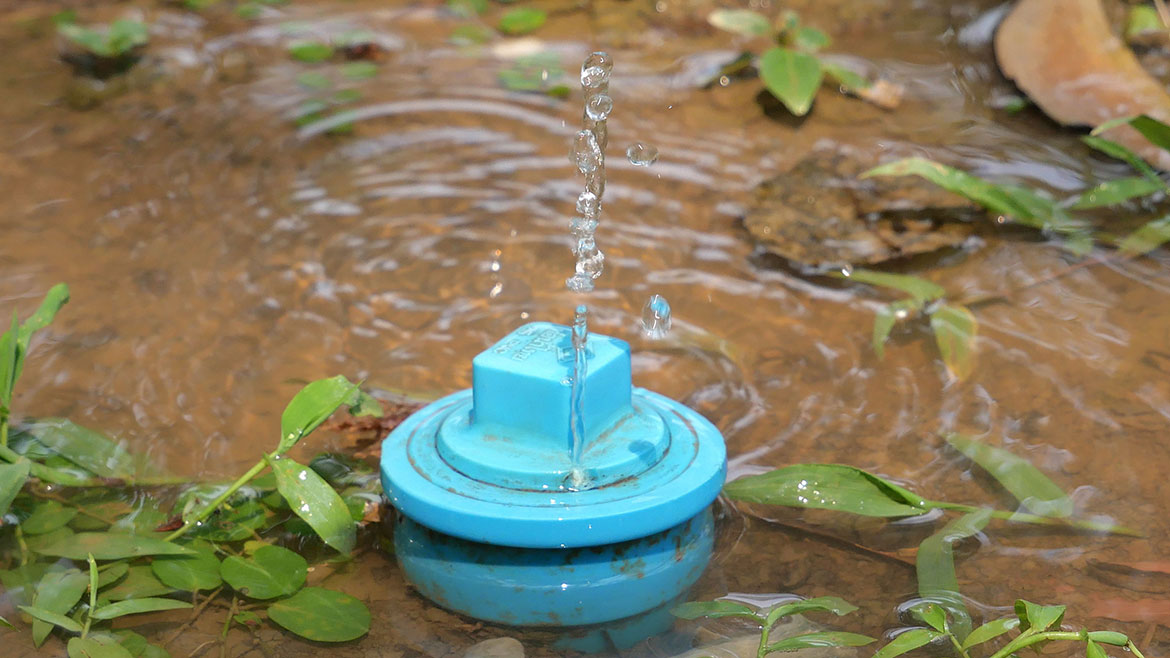
Wasting water is much more than an ecological issue: it’s a potential liability. Image source: Parichat Chaichakkham / iStock / Getty Images Plus
These environmental motivations remain relevant today; however, the conversation has broadened. Today, water conservation is equally about reducing operational risk in buildings of all types, including in commercial and residential sectors. Wasting water is much more than an ecological issue: it’s a potential liability.
“The contractor community is shifting from dissuasion to acceptance, and even promotion of smart leak detection technology, regardless if the purchase driver from the end customer is conservation or property protection. Preventing leaks touches on all shades of green, saving money when catastrophic leak damage is avoided and helping optimize insurability and insurance premium rates.” said Ian Greene, marketing director at LogiFlo. “Leak prevention also reduces energy costs, as it preserves limited water resources.”
The access to information available to the public has shown building owners that water waste can lead to higher operating cost, disruption of operations due to leaks or bursts, property damage and tenant dissatisfaction – just to name a few issues. With the everyday consumer more well-informed on the dangers of water waste, it’s important that you address their evolving concerns.
In that sense, water conservation is part of a much broader resilience strategy. It protects financial investments and preserves property value. Plumbing professionals are part of the solution to these problems, avoiding costly water-related incidents and maximizing long term reliability.
“Most flow-based smart leak detection, auto water shutoff devices are primarily designed to mitigate potentially damaging leaks. And since water wasting leaks like running toilets and failing faucets present similar to damaging leaks, flagging and stopping all leaks has a dual benefit,” Greene continued.
Insurance and liability impacts
According to the Insurance Information Institute, water damage comprised a staggering 24% of all homeowner insurance claims. Despite that, fewer than 20% of homeowners report taking any precautions to prevent water damage. Some common causes of water damage include:
- Burst pipes
- Severe weather and natural disasters
- Damaged appliances
- Clogged drains
- Sewage backups
According to Matt Adcock, director of business development at Resideo, “While water damage may be more top of mind in the springtime, water leaks from a home’s pipes and appliances can be a year-round threat. Data collected between 2018 to 2022 reveals that about one in every 60 homeowners annually files an insurance claim related to non-weather related water-damage or freezing pipes at the average cost of $13,954. All told, water leak damage is a multi-billion-dollar problem for U.S. property insurers.”
But, what does that mean for those in the plumbing industry? Many insurance companies are creating more requirements before they will insure a building, like automatic shutoff valves, leak detection technology and pressure regulation systems. Some companies are even factoring in not only water damage history, but also prevention technology when adjusting and assessing premiums. Building owners now need to work closely with their plumbing team to ensure that they are doing everything possible to mitigate risk.
Some insurance companies are even partnering with manufacturers to stay in-the-know. “Resideo has partnered with Nationwide and USAA so that these insurance carriers can offer policy discounts to their respective policyholders that utilize select First Alert devices and opt to share their device data with their insurers.” said Matt Adcock.
“Insurance requirements and recommendations continue to grow and are the primary driver of smart leak detection adoption, while water conservation drivers are more limited to water scarce geographies where some municipalities offer rebates for installing a device,” According to Ian Greene, marketing director at Flologic.
For plumbing professionals who are well-versed in the latest smart water monitoring systems and understand the importance of risk mitigation are more likely to save their customers money and time, and – most importantly – keep the trust that you have built with them.
Water conservation is no longer just a sustainability initiative or an environmental checkbox; it is a fundamental component of risk management. The plumbing industry is at the heart of this issue: from commercial to residential, water management is one of the most important ways you can manage risk in your business.
Regulations
Drought and water scarcity are no longer distant or seasonal concerns. While many may think of water scarcity as an unfortunate fact of life for people across the globe, but not one close to home, several states in the U.S. are suffering from water scarcity, too. California, Arizona, Texas and Colorado are a few of the states that have implemented conservation mandates in response to prolonged dry seasons and declining reservoir levels. This regulatory pressure is influencing every aspect of building management in the state: developers, builders and property owners have to navigate implementing systems that conserve water.
Plumbing professionals are on the frontlines. In water-stressed areas, building owners who fail to adopt conservation strategies can face fines, water rationing and delays in permitting. Plumbing engineers and contractors in water-scarce states are facing increasing pressure to not only meet the demands of today, but to anticipate how restrictions might grow in the future. Protecting your clients from legal and financial risk is paramount to maintaining a quality reputation.
Being prepared to adhere to the strict – and ever evolving – water conservation mandates and regulations that are being implemented across the United States is not an option, it is a requirement.
For plumbing professionals, it’s important to view conservation as a risk management tool as opposed to just a green issue. From reducing operational costs to protecting property and meeting regulatory requirements, using water conservation as a means to mitigate risk is vital in today’s built environment.
Today, every drop counts. As a plumbing professional, you can be part of the solution for a better, safer tomorrow. Water conservation is no longer just good practice, it’s smart business.
Looking for a reprint of this article?
From high-res PDFs to custom plaques, order your copy today!