Every workplace faces risks in daily operations. As a business leader, you are responsible for communicating the importance of risk management to your team. A strong workplace culture that focuses on reducing risks not only helps to protect employees, it can also strengthen workplace morale, bolster your business reputation, and set expectations.
Lifting objects is a necessary part of many jobs, but it’s easy for employees to develop bad habits that can harm their backs and put them out of commission. According to a September OSHA report on back disorders and injuries, as one of the leading causes of disability for workers, back injuries can develop over time from long-term repetitive activity or result from a single mishap.
From stolen data to system disruptions, cyberattacks can be devastating. But with the right knowledge, you can take action to safeguard your business and educate your team to help keep these threats at bay. Here are six cybersecurity strategies to conside.
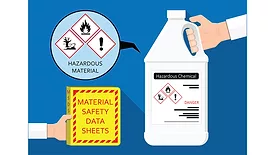
Employees often work with hazardous chemicals and materials. Keeping them informed about hazard communication is essential for reducing exposure and preventing accidents. Here are the steps to enhance hazard communication.
Workers in the plumbing and piping industries face daily challenges related to maintenance and cleanliness. As a leader, prioritize safety through training and clear policies to prevent accidents and reduce downtime.
Workers in the PHCP and PVF industries encounter daily challenges, including maintaining cleanliness and safety. As a leader, it’s essential to prioritize safety through training and clear policies to prevent accidents that could result in downtime or costly claims.
Encourage all team members, from executives to new hires, to view themselves as risk managers. Adopting this mindset can improve the company's safety culture and operational efficiency. For additional information and resources,
Disaster preparedness is essential for business owners to manage risks and minimize losses. By creating a comprehensive plan with risk assessments, preventive measures, and effective claims management protocols, businesses can better secure their operations and reduce property or financial losses.
When it comes to maintaining a day-to-day safety culture, each person, from the most senior executive to the newest hire, can participate in risk management.