Technology can help us work faster and smarter. It can improve efficiency, provide insights and streamline countless processes. But, it can’t replace the confidence that comes from knowing the person on the other end of the conversation genuinely cares about your success.
David Weekley Homes has named Moen a 2026 National Preferred Partner, marking the 14th consecutive year the plumbing manufacturer has received the distinction.
U.S. shipments of residential gas storage water heaters for April 2026 decreased -1.6 percent, to 361,801 units, compared to 367,604 units shipped in April 2025.
The latest numbers show that water heater shipments continued to soften in April, reflecting many of the same economic pressures affecting residential construction and remodeling activity.
On a recent episode of And So It Flows, we welcomed back Chrissie Walsh, regional environmental sustainability lead for GF North America, for a follow-up conversation on sustainability, systems thinking and the changing expectations around modern buildings.
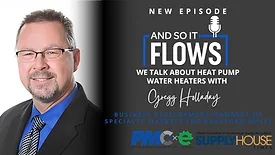
On a recent episode of And So It Flows, Kristen Bayles sat down with Gregg Holladay, business development manager for specialty markets at Bradford White, to discuss the growing role heat pump water heaters are expected to play in the residential plumbing market and why the plumbing industry needs to start preparing now.
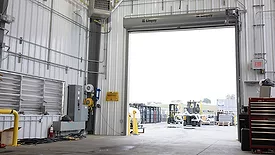
As warehouse and industrial construction continues, contractors are looking for solutions that improve airflow, reduce stratification and enhance energy efficiency.
Paige Burns discusses Trane's ongoing support of the ServiceTitan National HVAC Championship and its role in promoting technical excellence and workforce development.
In this article, we cover how the annual competition highlighting the industry's top techs has grown over the years and the role events like this play in strengthening the workforce pipeline.
As commercial building owners continue to navigate economic uncertainty, labor shortages and changing customer demands, retrofit and renovation work is becoming a key opportunity across the plumbing market. In this article, learn where the commercial market is headed and how manufacturers, wholesalers, and contractors can adapt.
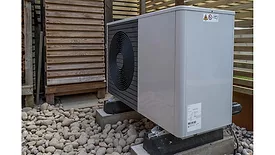
Incentive programs such as the federal Inflation Reduction Act tax credits and expanding state-level rebate structures have increased interest among building owners, engineers, and facility managers, nudging contractors to evaluate heat pump solutions more seriously.
The water heater market is growing steadily as it moves into 2026, with increased demand in commercial and multifamily sectors. Reliability and efficiency are prioritized, influenced by regional policies and regulatory changes that promote informed system selections.