The latest numbers indicate that residential demand remains under pressure, particularly for electric storage water heaters, while commercial shipments present a more mixed picture.
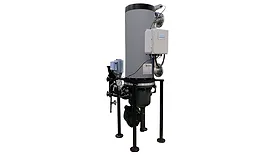
The new design is available across all ST Series models, including 6-inch, 8-inch, 10-inch, and 12-inch shell sizes, providing engineers and contractors with more flexibility when designing high-demand domestic hot water systems.
Mahoney will cover the Northeast while Johnson will handle the Southeast. The managers will focus on expanding Ariston’s share in the water heating market with heat pumps and both glass-lined and stainless-steel products.
Contractors will have the opportunity to receive a $25 tool credit for every purchase of an A. O. Smith standard gas or electric water heater from participating wholesalers, while supplies last.
U.S. shipments of residential gas storage water heaters for April 2026 decreased -1.6 percent, to 361,801 units, compared to 367,604 units shipped in April 2025.
The latest numbers show that water heater shipments continued to soften in April, reflecting many of the same economic pressures affecting residential construction and remodeling activity.
Wheeler joined A. O. Smith in 1994 as a regional sales manager for the former Water Products Company and held various senior leadership roles across the business before becoming president and CEO in 2018 and chairman in 2020.
On a recent episode of And So It Flows, Kristen Bayles sat down with Gregg Holladay, business development manager for specialty markets at Bradford White, to discuss the growing role heat pump water heaters are expected to play in the residential plumbing market and why the plumbing industry needs to start preparing now.
Manufacturers announced another round of PHCP-PVF price increases in June, with adjustments affecting insulation, valves, fittings, pumps, water heating products, and specialty plumbing components. See which suppliers raised prices and when the changes take effect.
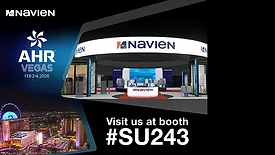
Navien’s booth theme will center on hybrid solutions.
January 26, 2026
Attendees will have the opportunity to explore new HVAC products as well as get a first look at future Navien products, including a hybrid water heating innovation.