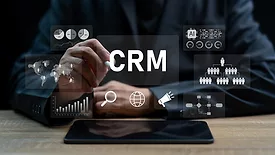
Customer Relationship Management systems are often sold as a technology decision. In reality, CRM success or failure has far more to do with people, processes, and organizational readiness than with software features.
The solution automates RFQ workflows and accelerates supplier communications, helping supply chain businesses cut cycle time, reduce manual work, and make fast, confident purchasing decisions.
Without a dedicated point person—the CEO for CRM—guiding the project from planning to post-launch, it can quickly go off track. Additionally, following a clear roadmap that breaks goals into manageable segments is essential.
Epicor introduces carbon accounting tool in ERP platform.
May 6, 2025
The new Carbon Cost Rollup feature in Epicor Kinetic treats emissions like currency, offering a simplified way for manufacturers to track and report carbon impact alongside financial costs.
In a recent discussion with Epicor, Supply House Times highlighted trends such as cybersecurity, onshoring, and automation in supply chain technology. By 2025, automation will be crucial for addressing the talent shortage and closing the knowledge gap as experienced workers retire. AI can help by organizing data, supporting new employees in maintaining productivity, and alleviating concerns about job displacement.
The Atlanta-based company aims to increase efficiency and decrease time and costs with this expansion.
April 18, 2025
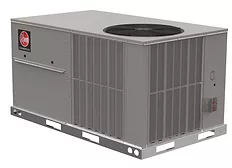
Rheem's newest addition to the Renaissance line of 3-5 ton two-stage rooftop HVAC units offer efficiency, easy installation and improved serviceability for commercial applications.
Cyber criminals often target distributors because they manage large B2B transactions, house valuable financial information, and sometimes use ERPs that are not up to date with modern security protection. Additionally, as infuriating as this is – cyber criminals know that distributors are essential to the supply chain, and are more likely to pay ransom in order to resume business operations quickly.