Fabricated steel imports expose gaps in tariff policy
As Section 232 targets raw materials, downstream assemblies slip through, reshaping pricing dynamics for PHCP-PVF distributors.
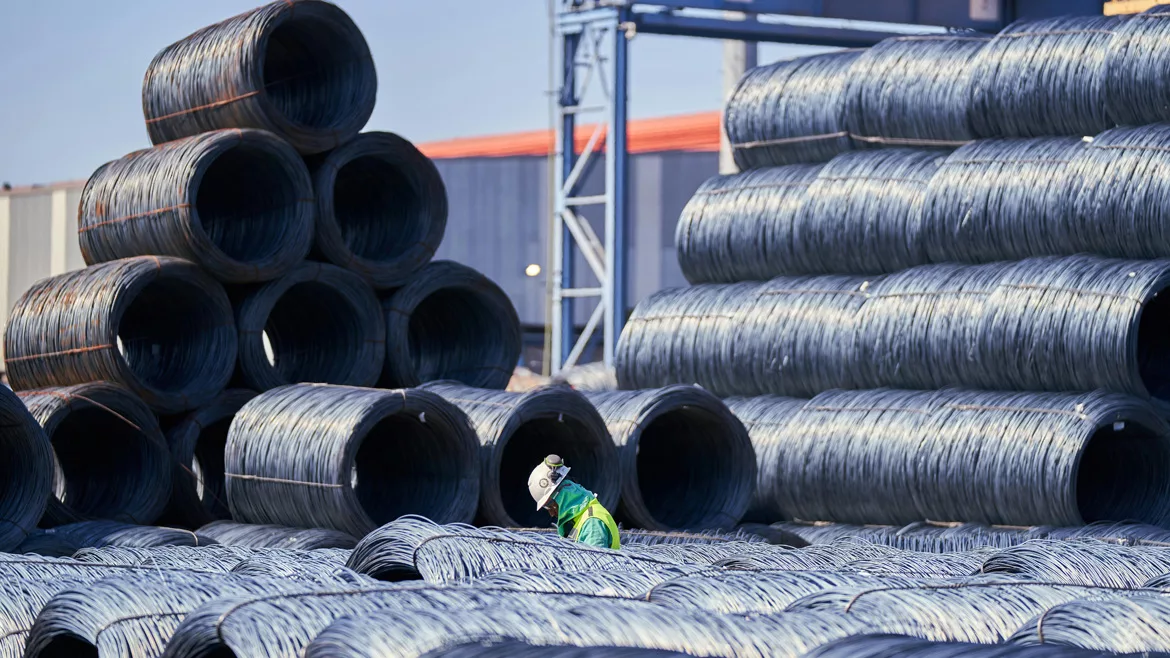
According to recent industry warnings and global trade reporting, a growing shift toward fabricated steel imports is creating a new layer of pricing pressure and competitive imbalance across industrial supply chains. As tariffs continue to target raw steel inputs, downstream products such as pre-assembled components, skids and fabricated systems are increasingly entering markets with reduced or no tariff exposure, raising concerns among manufacturers and distributors alike.
A March 31 report from The Guardian highlights what industry leaders are calling a “back door” in steel trade policy, where tariffs applied to primary steel forms fail to capture fabricated products that have already been cut, drilled or assembled. These items, which range from structural components to smaller fabricated parts used in construction and mechanical systems, can bypass tariff frameworks designed to protect domestic steel production.
While that reporting is centered on the UK market, the underlying dynamic is not unique. In the United States, the current steel tariff structure is rooted in Section 232 of the Trade Expansion Act, which imposes duties of up to 25% on imported steel, with some increases reaching 50% in recent policy adjustments. These tariffs were designed to safeguard domestic manufacturing and national security interests, but they primarily target raw steel and certain derivative categories, leaving gaps that global suppliers have learned to navigate.
Many of the products moving through the PHCP-PVF channel today are no longer raw materials alone, but value-added assemblies such as prefabricated piping systems, valve packages and mechanical skids. As global manufacturers shift production toward these finished or semi-finished goods, they can effectively reduce tariff exposure while still competing directly with domestically fabricated products.
Industry and policy analysts have pointed to this exact imbalance for years. Domestic fabricators, in particular, have been forced to purchase higher-cost tariffed steel inputs while competing against imported finished goods that avoid those same duties. The result is a widening cost disparity that is now working its way downstream into distribution channels.
At the same time, broader trade data suggests that while tariffs have reduced direct steel imports, they have not eliminated foreign competition. U.S. steel import volumes have declined significantly in recent years, in part due to tariff increases, but concerns remain that alternative import pathways are offsetting those gains. Industry groups continue to warn that global overcapacity, estimated in the hundreds of millions of metric tons, is driving exporters to find new ways into protected markets.
This shift is also being accelerated by changes in how tariffs are applied to derivative and downstream products. Recent policy expansions have increased the number of goods subject to tariffs, but enforcement remains complex and, at times, inconsistent. Analysts note that classification rules tied to Harmonized Tariff Schedule codes allow for interpretation, creating opportunities for importers to reclassify or slightly modify products to fall outside tariff scope.
The impact is not always immediately visible, but it shows up in pricing dynamics, supplier competition and sourcing decisions. Imported fabricated assemblies can arrive at lower cost than domestically produced equivalents, putting pressure on both manufacturers and distributors to remain competitive. At the same time, uncertainty around tariff enforcement and expansion complicates long-term purchasing strategies.
The trend also aligns with a broader industry shift toward prefabrication, a theme that has gained traction across construction and mechanical sectors. As more systems are built and assembled offsite, the distinction between raw material imports and finished product imports becomes increasingly important. In effect, the value chain is moving upstream, and with it, the points at which tariffs are applied or avoided.
Traditional pricing models based on raw material cost inputs may no longer tell the full story. Instead, the competitive landscape is being reshaped by how and where products are fabricated, assembled and classified before they ever reach a warehouse or jobsite.
As policymakers continue to refine tariff frameworks and industry groups push for tighter enforcement, the question remains whether current trade measures can keep pace with evolving global supply strategies. In the meantime, distributors are left navigating a market where the line between domestic and imported value is becoming increasingly blurred, and where fabricated steel products may quietly be reshaping the economics of the supply chain.
Looking for a reprint of this article?
From high-res PDFs to custom plaques, order your copy today!