Tips for designing the modern warehouse or DC
Safe space for automation; machines and humans must safely coexist.
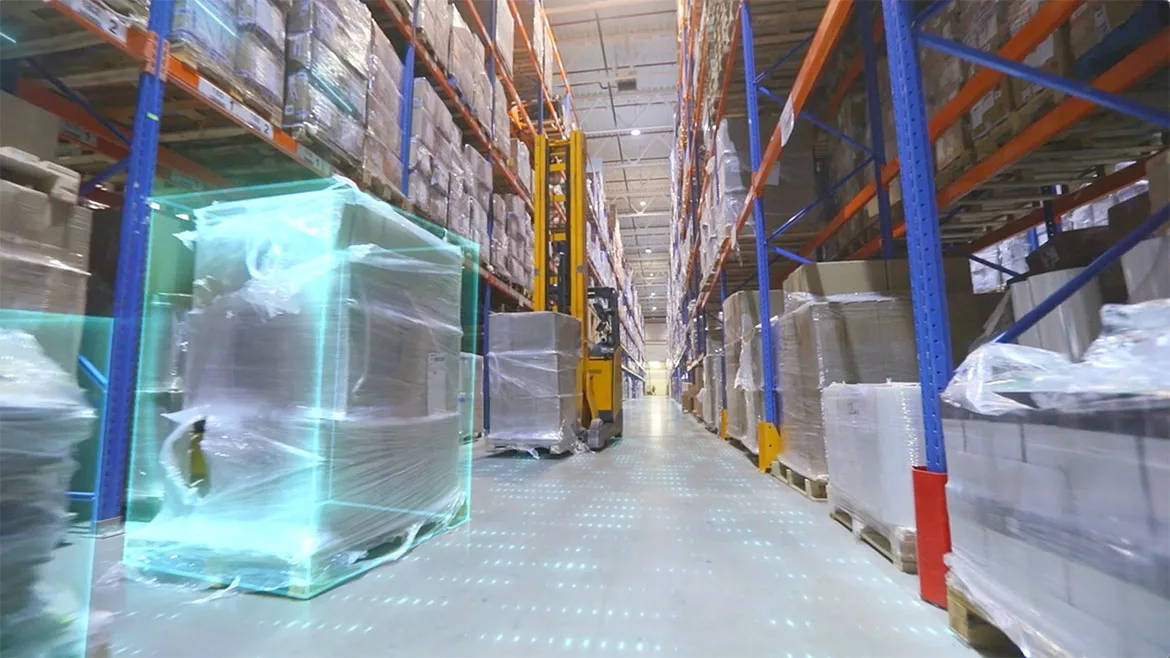
Image source: MPstudio / Creatas Video+ / Getty Images Plus
The warehouse or distribution center (DC) isn’t just a big box for stuff anymore; it’s a potential point of differentiation in how you serve your customers. If done right, it becomes a competitive advantage. If done poorly, it can drag your whole operation down. For smaller independents, designing one isn’t about handing it off to a slick firm; it’s about you being in the trenches, plotting layout, flow, and how people and machines coexist. Whether you’re breaking ground or tweaking a leased space, you’ve got to be strategic, nailing efficiency and flexibility without breaking the bank. Here’s how to build a DC that keeps up with today’s game, from site picks to tech tricks.
Site selection & space planning
It all starts with where you plant your flag. Location’s still king. Being close to suppliers and customers cuts shipping costs and time, but dig into the details. Can you hire decent workers? Are taxes or zoning a slow bleed? Greenfield builds give you a blank slate to shape, but they’re pricier and take longer to complete. Leasing is faster and cheaper upfront, though you’re stuck with someone else’s equipment. Check the floor load, ceiling height, and dock setup before signing.
Plan for growth too. Seasonal peaks or new SKUs can choke a tight design, so leave room to scale: extra dock doors, open floor, or modular racks. Ceiling height’s a sleeper hit. Taller means more vertical stacking, cramming more into less footprint. Smaller DCs can’t afford to waste an inch, so max that clear stacking space where you can.
Also, remember: in a manual warehouse, efficiency drops fast once you hit about 80% of storage capacity. Putaway crews spend more time hunting for open slots, slowing down receiving. Always build in breathing room.
Layout & flow optimization
I’m sold on pass-through layouts for smaller operations. Goods in one side, stored in the middle, out the other. It keeps receiving and shipping from tripping over each other. Slot inventory with ABC rules: fast-movers (A) near the door, slow-movers (C) in the back, and you’re golden. But tweak it for your mix: bulk storage for big stuff, bins for small parts, and pallet racking that fits high-density if you’re tight on space, selective if you need quick grabs.
Slot items that sell together next to each other for faster, more efficient picking. If your top SKUs are frequently ordered together, why make pickers walk miles to grab them?
Before you even build, consider drawing spaghetti diagrams. They help visualize how goods and people will move through the space. It's a low-cost way to catch inefficiencies early and design a better flow on paper before setting up your space.
Cut travel time, too. Shorter picking paths mean fewer footsteps and faster forklift runs. Watch those receiving and shipping zones; bottlenecks there kill your day. Cross-docking is worth a look if you’re moving goods fast, skipping storage, and going straight from inbound to outbound. It’s not for everyone, but smaller DCs with steady flow can trim fat.
Balancing foot & equipment traffic
People and machines sharing turf can get messy quickly. You don’t want your crew dodging forklifts—or worse. Carve out zones: Picking here and equipment there, with clear lanes marked. I’m big on forklift blue safety lights. Those LEDs splash a bright spot ahead, warning folks to step aside in busy spots. Segregate pedestrian paths harder if possible. Barriers or raised walkways beat a close call.
If you’re building new, I’d go with narrow aisles with wire guidance instead of wide ones. A wire in the floor guides forklifts via sensors, saving space and boosting storage while keeping moves tight. It’s flexible for growth and handles heavy loads, but you need a flat floor and a fix for wire wear. (Rail guidance is simpler and tougher, just less adaptable.) Plan space for automation too. AMRs or AGVs need room to roll if you go that route. And don’t sleep on workstations: ergonomic packing setups cut fatigue and keep your team moving.
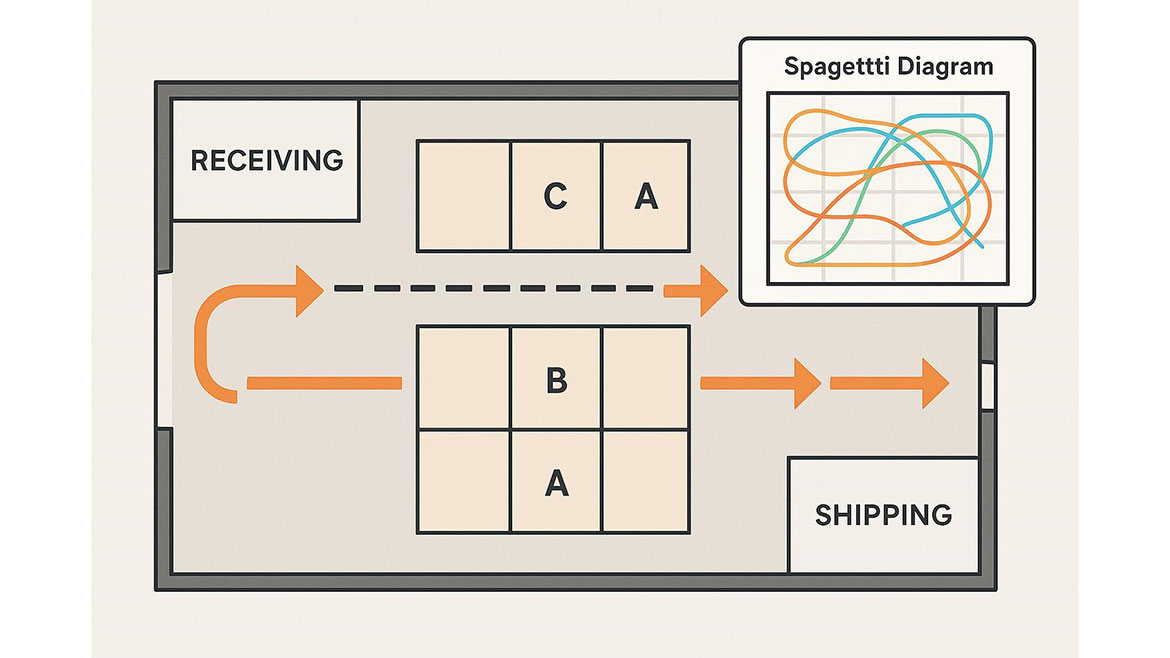
Carve out zones: Picking here and equipment there, with clear lanes marked. Graphic courtesy of Will Quinn
Technology & automation considerations
Tech’s rewriting the rules, even for smaller DCs. Barcode scanners are my go-to: cheap, accurate, and fast compared to clipboards. RFID is next-level if you want real-time inventory pings, though it’s pricier. A solid warehouse management system (WMS) ties it together, so look for one that syncs with your layout and tracks stock and gear without choking on complexity.
Pick-to-light or voice picking can juice layout efficiency, less wandering, and more doing, but they shine brighter in bigger ops. For smaller independents, weigh the cost. It’s the same with conveyors, AS/RS, or robotics: great when volume justifies it, but overkill if you’re not there yet. Start small, wire the place for upgrades, and scale as you grow.
Sustainability & energy efficiency
Going green isn’t just PR, it’s cash. LED lighting with motion sensors slashes energy bills; lights flick on when needed and off when not. HVAC and ventilation also keep workers comfy and temperature-sensitive goods safe without burning cash. Solar’s a bigger swing; ROI depends on your sun and budget, but for independents, even small wins, like insulation or skylights, can pay off in the long term.
A wire in the floor guides forklifts via sensors, saving space and boosting storage while keeping moves tight. It’s flexible for growth and handles heavy loads, but you need a flat floor and a fix for wire wear. Plan space for automation too. AMRs or AGVs need room to roll if you go that route.
Compliance, safety, & regulations
Don’t get caught flat-footed by rules. OSHA and fire codes aren’t optional. Plan egress, sprinklers, and safety markings from the jump. Cold storage? Factor in insulation and cooling gear if you’re handling perishables. Location matters, too; seismic bracing or storm prep can save your bacon, depending on where you’re at. Build it right, and you’re not just compliant. You’re safer.
The bottom line
Today’s warehouse or DC isn’t static. It’s a hub that has to flex with tech, customer expectations, and your own growth. Kick off with a pass-through layout, lean on barcode scanners and blue forklift lights, and opt for wire-guided narrow aisles to maximize space. Use spaghetti diagrams early, slot related items close, and leave breathing room below 80% capacity to avoid slowdowns.
For you smaller independents, it’s about balancing efficiency, flexibility, and cost. You need to nail the basics, plan for tomorrow, and keep tweaking. Once you get it dialed in, you’re not just storing product: you’re running circles around the competition.
Looking for a reprint of this article?
From high-res PDFs to custom plaques, order your copy today!