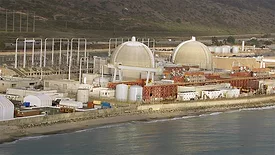
According to a report published by Bluefield Research, a water-focused market research firm based in Boston, Mass., by 2030, yearly investment in water and wastewater management will be more than $62 billion U.S. The firm attributes this to the explosion of AI-powered technology (driving the need for more data centers), the push to bring semiconductor manufacturing back to the U.S., energy transition, and national security.
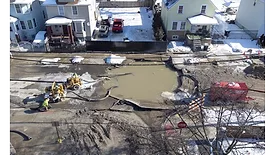
According to university officials, the underground heating loop which supplies heat and domestic hot water to large portions of campus, developed a significant leak that was initially losing roughly 6,000 gallons of water per day. As temperatures dropped, pressure in the system rose, and the loss rate increased, raising the risk of widespread system failure. University leadership determined that delaying repairs until the end of the semester was no longer safe.
According to local news reports, the massive break affected nearly 400 homes. Several residents called7 News Detroitlast weekto report that they were stuck inside their homes as they filled up with water. The news report said boats were also used by firefighters who rescued families from their homes.
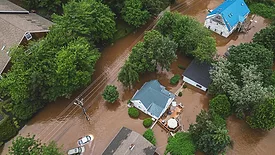
As I am writing this column, thousands of people from the Florida coast up to the Carolinas are still stranded without power, drinking water or a safe way to access basic resources due to the catastrophic flooding brought on by Hurricane Helene. Many of these mountain towns destroyed by Helene are areas that already lacked resources and access.
The event arrives as the water sector prepares for the implementation of the Lead and Copper Rule Revisions regulation, offering a timely forum for infrastructure professionals to address this critical challenge and explore comprehensive strategies for ensuring resilient and reliable drinking water systems.
PMI advocated for the act's water efficiency, conservation and water reuse funding, as well for significant improvements for water and wastewater systems to be covered by the law.