How to kill a boiler
They just don’t make them like they used to, right?
Boilers fail, and whenever they do, someone usually blames the manufacturer. They just don’t make them like they used to, right? Heard that one before?
Manufacturers are easy to blame because they’re large and very visible. But often it’s someone small and almost camouflaged doing the murder, someone you don’t notice because they’re always there in the building, like the furniture.
I was troubleshooting a boiler problem at a New York City-run facility during the days when NYC was having its big fiscal crisis. This was back when the Daily News ran that famous headline: “Ford to City: Drop Dead.” Tough times for sure.
No one had been maintaining the steam traps in this building and I don’t think that was solely the fault of the fiscal crisis. In New York City, most folks ignore steam traps as a matter of course because getting into people’s apartments or offices is just too much of a strain. Besides, the failed traps look OK from the outside.
But because these radiator traps had failed, and mostly in the open position, great plumes of steam blew from this condensate pump’s receiver down there in the basement. This is because steam traps trap steam. And when they’re dead, they don’t do that anymore.
That water was so hot that the poor condensate pump just couldn’t handle it. Whenever it tried, the water at its impeller’s eye would flash to steam. The impeller would hurl the steam bubbles outward toward the edge of the impeller where the pressure was higher, and the steam bubbles would collapse, causing the surrounding water to rush in with a cavitating wallop. The pump was screeching and no water was flowing. If someone didn’t come to its rescue, it would die.
But someone did. He was on the maintenance staff and had been in this building for years. He knew how to make things work without spending money. He recognized the problem as the condensate being way too hot for the pump, but he also knew no one would ever fix the steam traps because that cost money.
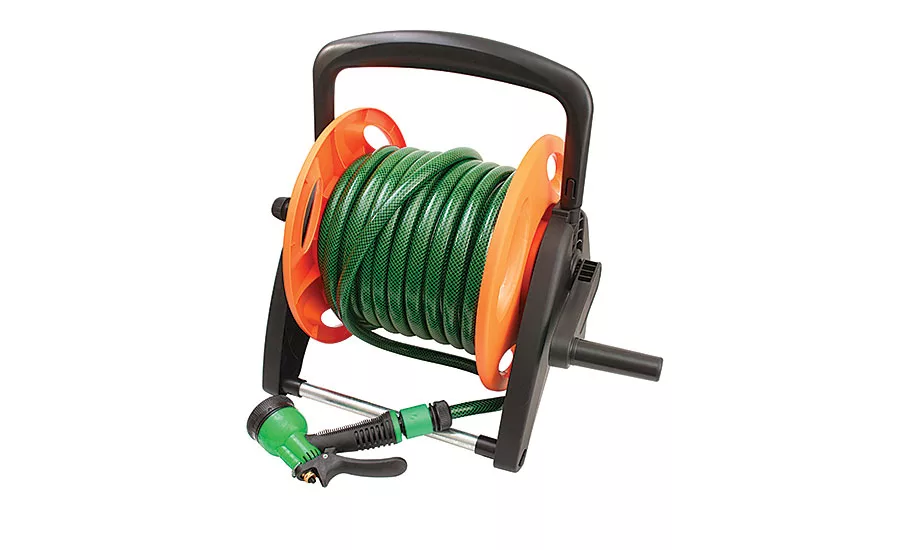
So he hooked up a garden hose to city water and stuck the other end of the hose into the condensate receiver’s vent line. Then he opened the hose bib and let fresh cold water flow in to cool the too-hot condensate. Hey, it works when you’re taking a shower, right? So why not here?
He left the water on 24/7, of course. That made everything automatic. The pump smiled and went back to work. Absolutely brilliant, right? And so low-cost.
But then up popped this other problem: The pump came on every few minutes as the hose filled the receiver and because it was a condensate pump, it just kept dumping its load into the boiler. All this water, of course, flooded the boiler and since a steam boiler won’t make steam if it’s flooded, the people upstairs began to complain.
And we certainly can’t have that.
So here’s what the maintenance man, who was as invisible as an old couch down there in the basement, did next: To solve the problem of the flooded boiler in a low-cost way, he piped an overflow float and thermostatic trap into the boiler at a point just about where the normal boiler waterline should be.
Now, let me explain this in case you don’t know. Having this overflow trap is a common piping technique that we use when there are multiple steam boilers on the job, and some are on while others are off. The boilers that are off aren’t isolated so they fill with steam from the boilers that are on. That steam then condenses in the relatively cool water of those boilers. That causes their waterlines to rise, so to keep them from flooding when they’re off we’ll install those overflow traps at the waterline of each boiler. The overflow goes back to the boiler-feed pump where it waits for the boiler to actually need it.
Down the drain
In this case, however, the maintenance man didn’t have a boiler-feed pump. He had a condensate pump and rather than set up a carousel of condensate between the pump and the boiler, and back and forth again and again, he just let the overflow go to a drain. That was his low-cost solution and even though NYC was having a drought at the time, no one seemed to care.
So follow this: The hose fills the condensate pump’s receiver with cold water which then tries to flood the boiler, but it can’t because it’s going to overflow through the trap at the waterline and down into the drain.
And everyone’s happy with this. They think it’s normal.
I was there because the boiler had failed from oxygen corrosion and no one could figure out how that could have happened. One of the maintenance guys told me they just don’t make boilers like they used to. He knows this from experience. He nods his head, challenging me to question that. I try to explain. He tells me I don’t know what I’m talking about.
The city installs a new boiler. They have no choice at this point. They leave everything else exactly as is.
And there’s more
In another time and in another city, I looked at another boiler that also had holes in it. Now, when you see holes, you have to suspect too much fresh water is the culprit. Either that or the feed water is lousy with chlorides, which will munch just about any boiler to death.
I looked around and at first I didn’t see anything unusual, but then I noticed the garden hose attached to the boiler drain.
Here we go again with the garden hose.
I asked the contractor what the hose was for. Were they draining the boiler? He looked, shrugged and said it wasn’t his hose.
We turned to the superintendent and asked if he knew about the hose.
And before I tell you the punch line, I have to say I have long admired superintendents. They work hard, are usually unappreciated and they know just enough about every trade to keep things going regardless of budget or time constraints.
I’ve been on jobs where things weren’t working. I look at the super and he picks up an 8’ long two-by-four. He reaches up with it and smacks that pipe. The one that’s way up there. See it? Suddenly, everything is working. Why? Neither one of us knows, but he does it all the time and it always works, so I love superintendents. They have a certain magic about them.
So we turned to the super and asked him if he knew about the hose. He spoke for the first time and that’s another thing about supers. They never will voluntarily talk to you if you are there in any official capacity. They are information vending machines, but you first have to insert a question.
“What’s with the hose?” I ask.
He tells me he uses it all winter to melt the ice on the driveway that pitches down and away from the boiler room. He doesn’t like to use salt because salt hurts the concrete. Real hot water works much better. And he has to run the hot water every day because it quickly turns cold and makes more ice. But the water won’t hurt the concrete and that’s what matters to the tenants. They’re all about appearances.
I look at the contractor. The contractor looks at me. We both look at the superintendent. Then we have a cup of coffee and talk about ice-melt products that don’t hurt the concrete.
“I don’t know,” the super says after considering all of this. “That stuff costs money and they don’t like me spending money. Besides, I’ve been doing this for years. It works.”
The contractor goes upstairs to give the folks a price for a new boiler. He doesn’t say anything to them about the super and the hose because the guy means well and the contractor doesn’t want to get him fired.
The guy making the purchasing decision blames the boiler manufacturer, of course, but I figure he would have done that anyway.
Looking for a reprint of this article?
From high-res PDFs to custom plaques, order your copy today!