Breaking: Trade policy signals renew cost pressure for distributors
New federal trade actions, lingering tariffs, and rising freight rates are tightening pricing and planning across plumbing and PVF supply chains.
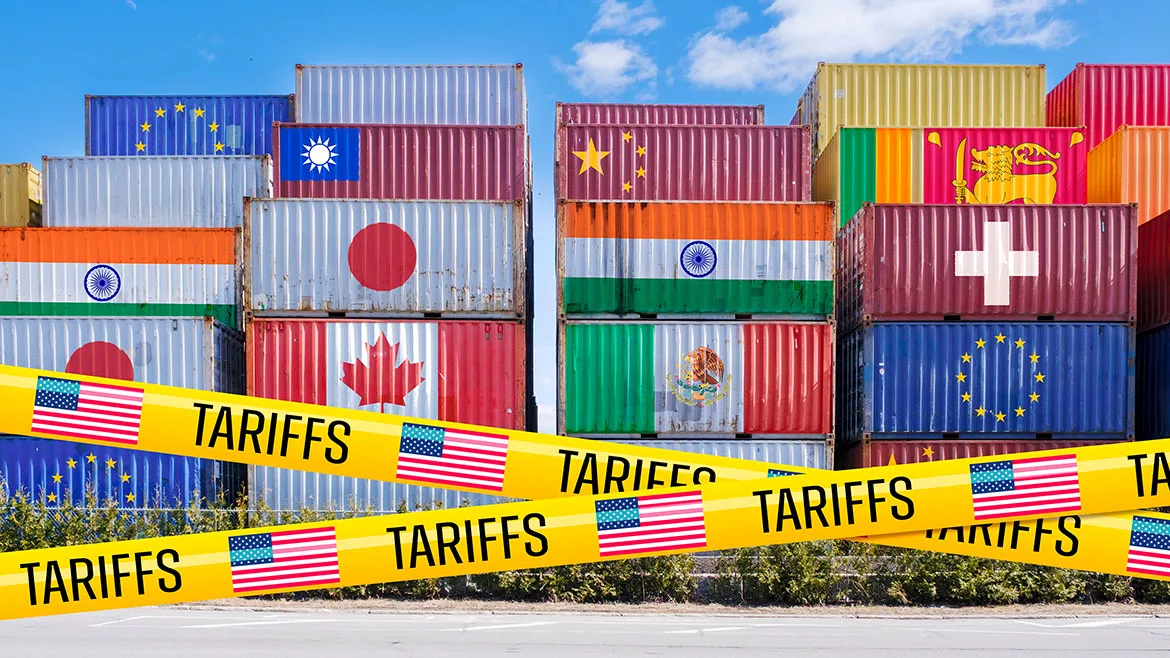
Image courtesy of Marc Bruxelle / iStock / Getty Images Plus
Renewed U.S. trade policy signaling and persistent tariff-driven cost pressures, combined with shifting freight market dynamics, are adding fresh layers of uncertainty for PHCP-PVF distributors as 2026 takes shape.
Federal trade policy debates this week have centered on efforts to secure and strengthen domestic supply chains for critical industrial inputs, including metals and processed materials that feed a wide range of manufacturing sectors. While these policies are not targeted specifically at plumbing and PVF products, the ripple effects are already visible in pricing and planning conversations within the industry. Data from U.S. Bureau of Labor Statistics producer price indices show broad construction input prices rose 3.4 % year-over-year in November, which is the largest annual jump in materials costs since early 2023, with many tariff-impacted materials such as aluminum mill shapes and nonferrous metals posting particularly steep increases.
As stated in our 2026 Plumbing Industry Outlook, The American Supply Association’s (ASA) economic reporting underscores that tariffs continue to exert upward pressure on material costs throughout the PHCP-PVF sector. Higher costs for imported inputs are prompting distributors and manufacturers to re-evaluate sourcing strategies and cost allocations, with some industry leaders warning that sustained price pressure “may affect consumer demand” and limit discretionary project volume. Adding to that backdrop, recent NAHB advocacy highlights the ongoing concern about tariffs on building materials and their impact on housing costs, noting that levies on imported goods effectively act as a tax that tends to be passed down through supply chains and ultimately to customers.
For many wholesalers and distributors, the conversation this week is no longer theoretical. Pricing notices from suppliers are arriving with shorter quote windows, and purchasing teams report paying closer attention to freight costs and timing as ocean and intermodal markets show renewed volatility following the year-end lull. Industry freight analytics emphasize that uncertainty about tariff implementation has made landed cost forecasting challenging for shippers, with some rerouting or adjusting inventory strategies in response to potential tariff escalations.
Market forecasters and industry experts see these forces converging into what many are calling a period of cautious stability for the PHCP-PVF channel in early 2026. According to PHCP-PVF economic outlook commentary tied to ASA’s forecast, broad market conditions are expected to remain relatively flat through the second quarter, with headwinds from higher construction costs and borrowing pressures keeping volumes more restrained than in prior years.
No immediate supply shortages have been reported, but the combination of tariff uncertainty, freight cost variability, and macroeconomic caution is reshaping how PHCP-PVF firms plan and price. For distributors and manufacturers alike, closely tracking tariff policy developments and maintaining open communication with customers on cost impacts will remain critical as these macro forces continue to work through supply chains in 2026.
Looking for a reprint of this article?
From high-res PDFs to custom plaques, order your copy today!