Why big box retailers fall short against local industrial suppliers
David and Goliath
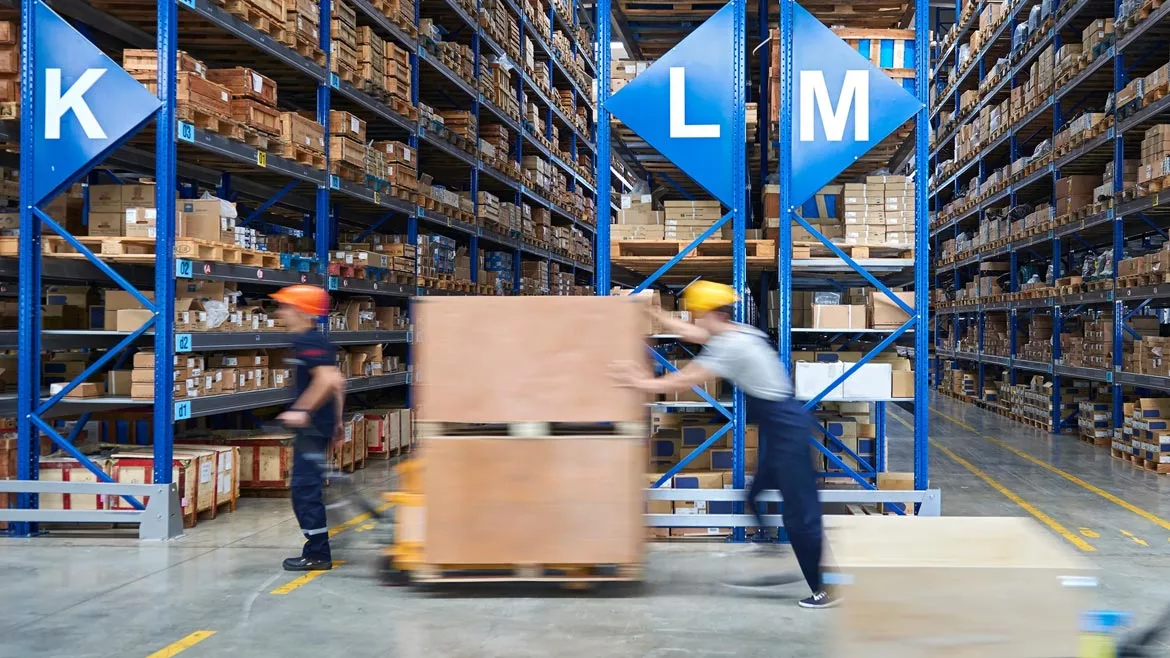
Image Source: stockvisual / E+ via Getty Images
The industrial distribution sector is a vital component of the global economy, serving as a bridge between manufacturers and the end users of various products and equipment. This sector encompasses businesses that specialize in sourcing, storing, and selling industrial products, ranging from machinery and equipment parts to safety and maintenance supplies. This sector, a critical cog in the global supply chain, has been shaped by a confluence of technological advancements, evolving market dynamics, and shifting consumer behaviors. As we look toward the future, several key trends are emerging that promise to redefine the landscape of industrial distribution. These trends, driven by digital innovation, changing business models, and a heightened focus on efficiency and customer experience, are setting the stage for a new era in this sector.
In this article, we will delve into the most significant trends expected to impact the industrial distribution sector in the near future. From the widespread adoption of digital transformation and automation to the challenges of improving profit margins in a digital-first landscape, each trend presents both challenges and opportunities. We will explore how data optimization and the rise of omnichannel approaches are reshaping customer interactions and operational efficiency. Additionally, we will examine the implications of legacy system fragmentation and the need for industry consolidation to stay competitive in an increasingly interconnected world. This article aims to provide a comprehensive overview of these trends, offering insights into how they will shape the future of industrial distribution.
Digital transformation and automation
The trend of digital transformation and automation in the industrial distribution sector is a pivotal shift that's reshaping how the industry operates. As we move further into the digital age, a significant number of companies in this sector are focusing their investments on enhancing capacity and incorporating automation technologies. This trend is largely driven by the need to optimize inventory management and improve overall operational efficiency.
With the adoption of technologies like machine learning and multi-echelon inventory optimization, distributors are able to make their planning processes more collaborative and integrated. This integration provides a unified view of inventory, aligning stocking plans across the organization and enabling more effective management of inventory levels. Such advancements lead to increased fill rates, better control of inventory mix, and reduced costs, which are crucial in periods of economic fluctuation, such as inflation.
Furthermore, these technologies facilitate a degree of visibility and collaboration that allows planners to determine optimal inventory levels based on specific service level targets for each item at each location. The result is not only a more efficient supply chain but also an enhanced customer experience due to improved product availability and service quality. In essence, digital transformation and automation are not just technological upgrades; they represent a fundamental shift in the approach to inventory management and customer service in the industrial distribution sector. This shift is instrumental in helping companies manage the challenges of a dynamic market environment and stay competitive
With the adoption of technologies like machine learning and multi-echelon inventory optimization, distributors are able to make their planning processes more collaborative and integrated.
Customer buying behavior and omnichannel trends
The shift in customer buying behavior and the adoption of omnichannel trends are significantly influencing the industrial distribution sector. In the aftermath of the pandemic, there has been a dramatic shift towards e-commerce and omnichannel business models, a pattern observed not just locally but globally. The rise of e-commerce is evident, with predictions indicating a substantial increase in worldwide e-commerce sales in the coming years. This transition has posed certain challenges for distributors, such as the need to gain better visibility into customer behavior and manage the expenses associated with e-commerce initiatives.
In response, many distributors are actively developing their e-commerce and omnichannel capabilities to align with this growing sector. Successful implementation of these models involves not just offering online shopping portals but also expanding digital support services to customers. This comprehensive approach enables distributors to meet the evolving needs of their customers, who now expect seamless experiences across multiple channels, including online and offline platforms. For example, companies like Digi-Key, a global distributor of electronic parts, have not only established online shopping platforms but have also expanded their digital services. This reflects a broader trend where distributors are increasingly investing in building robust e-commerce and omnichannel presences to stay competitive in the market. The aim is to provide customers with 24/7 support, real-time inventory management, and efficient order tracking, catering to their expectations for comprehensive, omnichannel experiences.
Fragmented legacy IT systems
The issue of fragmented legacy IT systems is a significant challenge facing the industrial distribution sector. Many distributors continue to rely on outdated and fragmented legacy systems to support their retail operations. While these systems may be functional, they often lack the scalability necessary to support business expansion and can become increasingly expensive to maintain. This is particularly problematic as operations become more complex, for instance, with the introduction of new workflows, software, and hardware. Legacy systems often struggle to integrate seamlessly into these modern workflows, potentially making them inefficient or obsolete. Moreover, a lack of regular maintenance and updates can leave these systems vulnerable to security risks, posing a significant threat in today's digitally driven environment. Poor data security is a major concern for distributors relying on these outdated systems.
As a result, the need for modern, integrated IT solutions is becoming increasingly apparent. Modern systems offer better scalability, integration, and security, essential for businesses looking to grow and stay competitive in the digital era. Transitioning to these systems involves not just adopting new technology, but also rethinking and restructuring business processes to leverage the full capabilities of modern IT solutions. This transition is crucial for distributors to enhance operational efficiency, data security, and overall business agility in a rapidly evolving market.
Industry consolidation
The industrial distribution market has long been characterized by a high degree of fragmentation, a trend further accentuated by the pandemic. This fragmentation is evident in the disparate nature of companies within the sector, many of which are small businesses. Despite the digital age, the largest player in most areas of industrial distribution often accounts for a small percentage of the overall market. This highly fragmented landscape presents both challenges and opportunities for the industry.
In response to these challenges, there is a growing impetus for consolidation within the industry. Distributors are being encouraged to move beyond incremental acquisitions and focus on merging with strategic or transformational merger and acquisition (M&A) players. This approach aims to create a more cohesive force within the industry, leveraging the strengths of combined entities to compete more effectively in the market.
The need for consolidation is also driven by technological advancements. Companies with solid e-commerce platforms and effective digital channel deployment are becoming increasingly valuable. As the market continues to evolve, the ability to integrate advanced technology becomes a key differentiator. This trend suggests that companies with less advanced technology might find it increasingly challenging to compete.
Conclusion
As we look towards the future of the industrial distribution sector, it's evident that the industry is on the brink of a significant transformation, driven by a confluence of technological, operational, and market trends. The embrace of digital transformation and automation is set to revolutionize inventory management and planning, paving the way for more efficient and responsive supply chains. The evolution towards data-driven warehousing and the integration of omnichannel strategies are indicative of a sector that is rapidly adapting to the demands of a digital-first economy. Meanwhile, the need to update fragmented legacy IT systems and the movement toward industry consolidation highlight the sector's response to technological advancements and market dynamics.
In conclusion, the industrial distribution sector is navigating a period of dynamic change, marked by technological advancements and evolving business strategies. As these trends continue to unfold, they offer both challenges and opportunities, shaping the future landscape of industrial distribution. Companies that adapt, innovate, and embrace these changes are likely to emerge as leaders in this new era of industrial distribution.
Looking for a reprint of this article?
From high-res PDFs to custom plaques, order your copy today!