Supply House Times logo Supply House Times
search
cart
facebook instagram twitter linkedin youtube
  • Sign In
  • Create Account
  • Sign Out
  • My Account
Supply House Times logo Supply House Times
  • NEWS
    • ASA NEWS
    • Company News
  • PRODUCTS
    • Interactive Spotlights
  • COLUMNS
    • Natalie Forster: From the Editor
    • Alicia Branham: Marketing Matters
    • Brad Williams: Succession Planning
    • Melissa Rasico: Luxury Plumbing Lounge
    • Letter from ASA President
    • Guest Columnists
    • Safety Columnists
  • MARKETS
    • Codes & Legislation
    • Heating & Cooling
    • Industrial PVF
    • Plumbing
    • Radiant & Hydronics
    • Solar Thermal | Geothermal
    • Technology
    • Women in Industry
  • BATH & KITCHEN PRO
    • Bath & Kitchen News
    • Bath & Kitchen Products
  • SPECIAL EDITIONS
    • B.I.G. Book Directory
    • Premier 150
    • Rep Locator Directory
  • MEDIA
    • Podcasts
    • Videos
    • eBooks
    • Webinars
  • RESOURCES
    • Radiant Comfort Report
    • Industry Calendar
    • Industry Links
    • Custom Content & Marketing Services
    • Market Research
    • Supply House Times Store
  • EMAG
    • EMAGAZINE
    • ARCHIVE ISSUES
    • CONTACT
    • ADVERTISE
  • SIGN UP!
NewsFire ProtectionSafety ColumnistsASA News

Fire hazard assessment and prevention in the workplace
By Nate Oland
Fire prevention
September 3, 2021

All fires need three elements to burn: Fuel, oxygen and a source of ignition. Consider those factors when evaluating your workplace — is it at risk for a potential fire? There are many types of fire hazards to keep in mind, and they can all result in devastating losses if not properly identified.

Everyone on the job is responsible for noticing potential fire risks and taking steps to ensure a safe workplace. By conducting a fire hazard assessment on a regular basis and implementing a fire prevention plan, you may be able to better identify those risks and reduce the chances of a fire at your business.

Fire hazard assessment

A fire hazard assessment should focus on keeping the elements that could create a fire far from each other, and ensure that sources of fuel or ignition are stored properly. Create a checklist and evaluate your workplace to identify fire hazards before they ignite. A few common items to check off of your list include:

  • Maintaining a record of all chemicals that constitute a fire hazard.
  • Inspecting and conducting preventative maintenance on electrical systems.
  • Proper storage of flammable and combustible liquids, and propane and flammable gases.
  • Implementing a hot work permit system for gas or electric welding or cutting.
  • Conducting regular maintenance on heat-producing appliances and equipment.
  • Identifying spontaneous combustion hazards (i.e., greasy rags, items soaked in paint or solvent, etc.) and storing them in noncombustible containers until they can be safely removed.
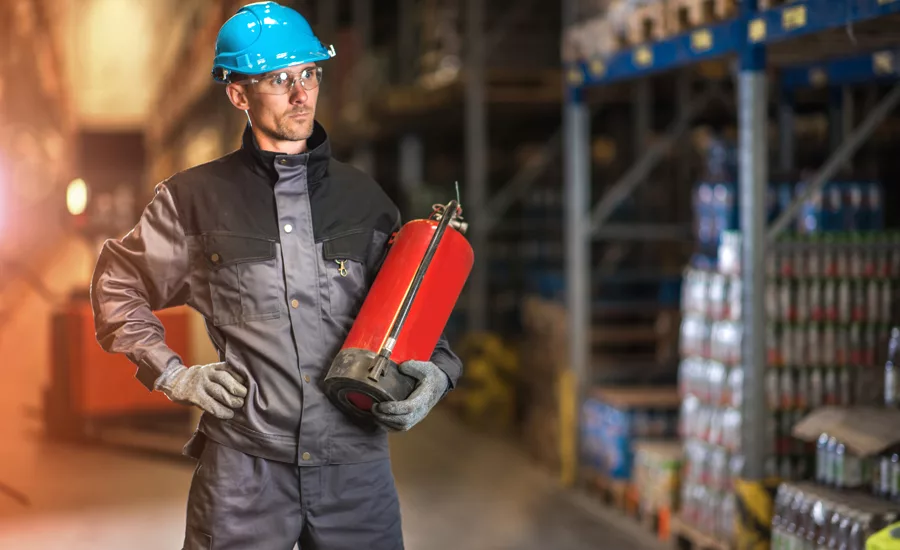
  • Verifying fire extinguishers and sprinkler systems are adequately maintained.
  • Ensuring fire detection and alarm systems are tested regularly.

Fire prevention plan

Once a fire hazard assessment is completed, the data can be used to create a fire prevention plan that is unique to your business. This plan should be communicated to every employee and include necessary changes to help prevent a fire. It may include tasks such as:

  • Creating a list of the major fire hazards that may be in or around your workplace.
  • Establishing procedures to control waste that may be flammable or combustible.
  • Conducting regular maintenance on equipment and keeping up with “housekeeping” tasks.
  • Assigning responsibility for maintaining fuel source hazards.
  • Notifying employees about fire hazards that may be present.
  • Ensuring everyone knows their role in fire prevention and protection.
  • Installing sprinkler systems and posting no smoking signs clearly.
  • Creating an evacuation plan, instructing employees, and conducting fire drills on a regular basis.

By utilizing assessments and prevention plans to reduce fire risks, and updating the plan annually or as needed, all employees should have a clear understanding of fire safety at their jobsite. A clear plan on how to identify – and remedy – fire risks is imperative to a successful and safe workplace.

KEYWORDS: American Supply Association fire prevention fire protection fire safety safety

Share This Story

Looking for a reprint of this article?
From high-res PDFs to custom plaques, order your copy today!

Nate Oland is senior national account executive at Federated Insurance, an ASA Association Partner.

Recommended Content

JOIN TODAY
to unlock your recommendations.

Already have an account? Sign In

  • Stock financial index show successful investment on property business and construction industry with graph and chart for presentation and report background.

    2025 predictions: Twelve trends supply houses should know

    As 2024 ends, I’ll review last year’s predictions and...
    Brad Williams: Succession Planning
    By: Brad Williams
  • Background of aerial view of Industrial container port part of shipping in nighttime with a blue overlay.

    2025 Next Gen ALL-STARS: Top 20 Under 40 PHCP-PVF Professionals

    The future of the PHCP-PVF industry is being shaped by a...
    Heating & Cooling
    By: Natalie Forster
  • Premier 150: The top PHCP-PVF Distributors of 2026

    Premier 150: The Top PHCP-PVF Distributors of 2026

    Combined revenue across this year’s Premier 150 once...
    Heating & Cooling
    By: Natalie Forster
Manage My Account
  • eMagazine
  • Newsletters
  • Manage My Preferences
  • Online Registration
  • Subscription Customer Service

More Videos

Popular Stories

Rob Micklus, Chris DellaSala, John McKeown and Bob DellaSala

2026 Manufacturers Rep of the Year: Keystone Sales & Associates

Commercial outlook tech looking at pipes

Commercial Market Outlook: Retrofit Projects Lead the Way

Price Increase Image

PHCP-PVF Price Increases: June 2026

2026 Premier Rankings

Events

December 30, 2030

Webinar Sponsorship Information

For webinar sponsorship information, visit www.bnpevents.com/webinars or email webinars@bnpmedia.com.

View All Submit An Event

Poll

Identifying Daily Time Loss Areas for Your Team

Where does your team lose the most time each day?
View Results Poll Archive

Products

The Water Came To A Stop

The Water Came To A Stop

See More Products

Download the FREE 2025 Water Conservation, Quality & Safety eBook

Download the Fifth annual Bath & Kitchen Pro eBook

Related Articles

  • Respiratory protection in the workplace

    See More
  • ASA Safety Committee to host free COVID-19 Safety in the Workplace webinar

    See More
  • Company policy on electronic devices in the workplace; distribution, branch, safety, warehouse, Torrco, women in industry

    Company policy on electronic devices in the workplace

    See More
×

Stay in the know on the latest PHCP-PVF industry trends.

Get tailored content delivered your way.

JOIN TODAY!
  • RESOURCES
    • Advertise
    • Contact Us
    • Directories
    • Store
    • Want More
    • Plumbing & Mechanical
  • SIGN UP TODAY
    • Create Account
    • eMagazine
    • Newsletter
    • Customer Service
    • Manage Preferences
  • SERVICES
    • Marketing Services
    • Reprints
    • Market Research
    • List Rental
    • Survey/Respondent Access
  • STAY CONNECTED
    • LinkedIn
    • Facebook
    • Instagram
    • YouTube
    • X (Twitter)
  • PRIVACY
    • PRIVACY POLICY
    • TERMS & CONDITIONS
    • DO NOT SELL MY PERSONAL INFORMATION
    • PRIVACY REQUEST
    • ACCESSIBILITY

Copyright ©2026. All Rights Reserved BNP Media, Inc. and BNP Media II, LLC.

Design, CMS, Hosting & Web Development :: ePublishing