Supply House Times logo Supply House Times
search
cart
facebook instagram twitter linkedin youtube
  • Sign In
  • Create Account
  • Sign Out
  • My Account
Supply House Times logo Supply House Times
  • NEWS
    • ASA NEWS
    • Company News
  • PRODUCTS
    • Interactive Spotlights
  • COLUMNS
    • Natalie Forster: From the Editor
    • Alicia Branham: Marketing Matters
    • Brad Williams: Succession Planning
    • Melissa Rasico: Luxury Plumbing Lounge
    • Letter from ASA President
    • Guest Columnists
    • Safety Columnists
  • MARKETS
    • Codes & Legislation
    • Heating & Cooling
    • Industrial PVF
    • Plumbing
    • Radiant & Hydronics
    • Solar Thermal | Geothermal
    • Technology
    • Women in Industry
  • BATH & KITCHEN PRO
    • Bath & Kitchen News
    • Bath & Kitchen Products
  • SPECIAL EDITIONS
    • B.I.G. Book Directory
    • Premier 150
    • Rep Locator Directory
  • MEDIA
    • Podcasts
    • Videos
    • eBooks
    • Webinars
  • RESOURCES
    • Radiant Comfort Report
    • Industry Calendar
    • Industry Links
    • Custom Content & Marketing Services
    • Market Research
    • Supply House Times Store
  • EMAG
    • EMAGAZINE
    • ARCHIVE ISSUES
    • CONTACT
    • ADVERTISE
  • SIGN UP!
Market SectorsColumnistsPlumbingPHCP and PVF Technology & OperationsSafety Columnists

Eye on Safety | Taylor Albano

Ensuring safety in crane and hoist operations: A crucial guide

Understanding the four OSHA regulations and how they impact hoist safety.
By Taylor Albano
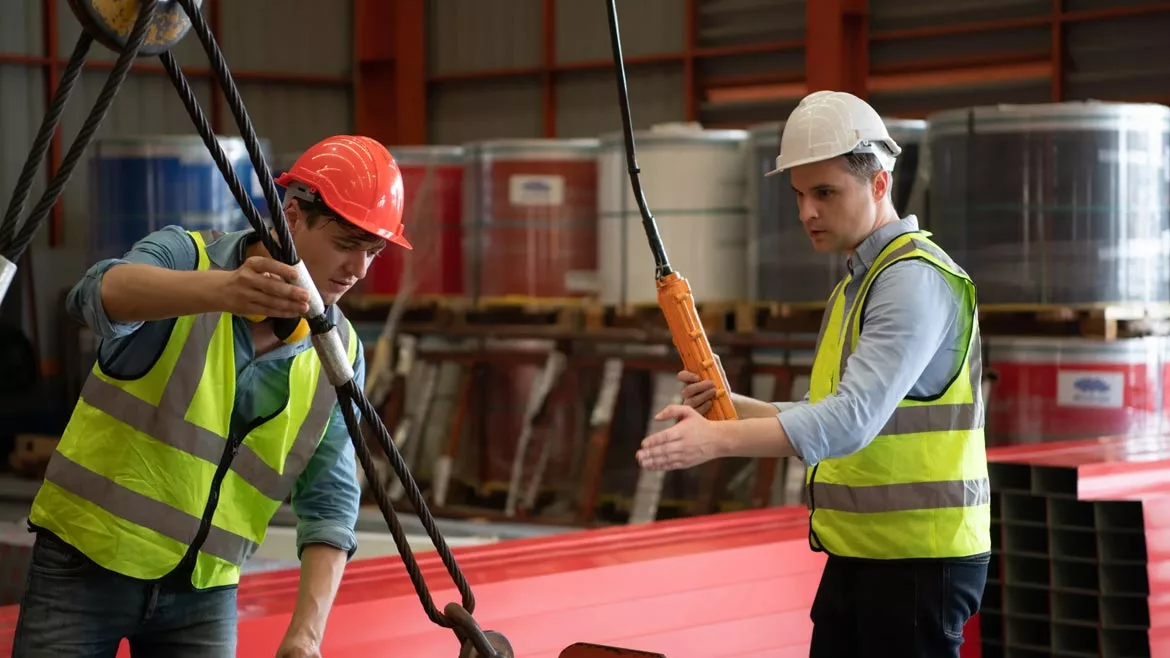
Two construction workers in hard hats and safety vest, using a hoist.

Image Source: Sunan Wongsa-nga / iStock / Getty Images Plus via Getty Images

August 5, 2024

In industries ranging from construction to manufacturing, cranes and hoists are indispensable for lifting and transporting heavy materials. However, their use carries inherent risks that can lead to serious accidents if safety protocols are not meticulously followed. To mitigate these risks, adhering to the Occupational Safety and Health Administration (OSHA) guidelines is paramount.

Incident rates

Injury and fatality rates from crane and hoist operations remain a significant concern in industries that utilize this heavy machinery. According to OSHA, cranes are involved in numerous fatal and non-fatal incidents each year, with common causes including equipment failure, improper use, and inadequate training.

» Read more Eye on Safety

The Bureau of Labor Statistics (BLS) reports that between 2011 and 2020, an average of 44 workers died annually in crane-related incidents. These fatalities often result from being struck by objects, electrocutions, and falls. Additionally, thousands of injuries are reported each year, leading to substantial economic and personal costs. These statistics underscore the critical need for stringent safety measures, comprehensive training, and adherence to regulatory guidelines to prevent such tragic outcomes.

Understanding OSHA's role

OSHA, a regulatory body within the U.S. Department of Labor, is responsible for ensuring safe and healthy working conditions by setting and enforcing standards.

For cranes and hoists, OSHA’s regulations are outlined under several sections, including General Industry (29 CFR 1910) and Construction (29 CFR 1926). These regulations cover a broad range of safety practices, from equipment inspection to operator training.

Key OSHA Guidelines for Crane and Hoist Safety

1. Regular Inspections and Maintenance:

  • Frequent and Periodic Inspections: OSHA mandates that cranes and hoists undergo frequent inspections (daily to monthly) and periodic inspections (one to twelve months) depending on their usage. Inspections should focus on critical components such as hoisting ropes, hooks, and chains.
  • Maintenance: Any identified issues must be addressed immediately to prevent equipment failure. Regular maintenance ensures that all components function correctly and safely.

2. Proper Training and Certification:

  • Operator Qualifications: OSHA requires crane operators to be certified by an accredited testing organization or qualified through an employer's audited program. This certification ensures that operators understand the equipment, its limitations, and the necessary safety protocols.
  • Ongoing Training: Continuous education and training are essential. OSHA emphasizes the need for operators to stay updated on the latest safety practices and technological advancements.

3. Safe Operation Practices:

  • Load Handling: Operators must be aware of the weight limits of the crane or hoist and ensure that loads do not exceed these limits. Overloading can lead to equipment failure and catastrophic accidents.
  • Clear Communication: Effective communication among the crane operator, signal person, and ground crew is crucial. OSHA guidelines recommend standardized hand signals and, when necessary, radio communication to ensure everyone is aware of the movements and load conditions.

4. Worksite Safety Measures:

  • Environmental Conditions: Adverse weather conditions, such as high winds or lightning, can affect crane operations. OSHA advises suspending operations during unsafe weather to prevent accidents.
  • Work Area Control: The area around the crane should be secured to prevent unauthorized personnel from entering. Barricades and warning signs are effective measures to maintain a safe perimeter.

The importance of compliance

Compliance with OSHA guidelines is not merely a legal obligation but a moral one. Ensuring the safety of workers should be the top priority for any organization. Non-compliance can lead to severe consequences, including hefty fines, legal action, and, most importantly, the loss of life.

Conclusion

Crane and hoist safety is a complex but crucial aspect of workplace safety. By rigorously adhering to OSHA guidelines, employers can create a safer working environment, significantly reducing the risk of accidents and ensuring the well-being of their workforce. In an industry where precision and safety go hand in hand, following these guidelines is the cornerstone of responsible operations.

For more detailed information on OSHA's crane and hoist safety regulations, you can visit the OSHA website or consult the specific sections of the Code of Federal Regulations (CFR).

KEYWORDS: PHCP-PVF safety warehouse safety

Share This Story

Looking for a reprint of this article?
From high-res PDFs to custom plaques, order your copy today!

Recommended Content

JOIN TODAY
to unlock your recommendations.

Already have an account? Sign In

  • Stock financial index show successful investment on property business and construction industry with graph and chart for presentation and report background.

    2025 predictions: Twelve trends supply houses should know

    As 2024 ends, I’ll review last year’s predictions and...
    PHCP and PVF Technology & Operations
    By: Brad Williams
  • Background of aerial view of Industrial container port part of shipping in nighttime with a blue overlay.

    2025 Next Gen ALL-STARS: Top 20 Under 40 PHCP-PVF Professionals

    The future of the PHCP-PVF industry is being shaped by a...
    Heating & Cooling
    By: Natalie Forster
  • Premier 150: The top PHCP-PVF Distributors of 2026

    Premier 150: The Top PHCP-PVF Distributors of 2026

    Combined revenue across this year’s Premier 150 once...
    Heating & Cooling
    By: Natalie Forster
Manage My Account
  • eMagazine
  • Newsletters
  • Manage My Preferences
  • Online Registration
  • Subscription Customer Service

More Videos

Popular Stories

Rob Micklus, Chris DellaSala, John McKeown and Bob DellaSala

2026 Manufacturers Rep of the Year: Keystone Sales & Associates

Price Increase Image

PHCP-PVF Price Increases: June 2026

Commercial outlook tech looking at pipes

Commercial Market Outlook: Retrofit Projects Lead the Way

2026 Premier Rankings

Events

December 30, 2030

Webinar Sponsorship Information

For webinar sponsorship information, visit www.bnpevents.com/webinars or email webinars@bnpmedia.com.

View All Submit An Event

Poll

Identifying Daily Time Loss Areas for Your Team

Where does your team lose the most time each day?
View Results Poll Archive

Products

The Water Came To A Stop

The Water Came To A Stop

See More Products

Download the FREE 2025 Water Conservation, Quality & Safety eBook

Download the Fifth annual Bath & Kitchen Pro eBook

Related Articles

  • warehouse safety

    Safety in the modern workplace

    See More
  • Everything you need to know about eye protection

    Eye on Safety: In the blink of an eye

    See More
  • Forklift safety

    Evaluating forklift safety in your warehouse

    See More

Related Products

See More Products
  • Inspector Book.jpg

    Lessons Learned: A Guide to Boilers for Home Inspectors

See More Products

Events

View AllSubmit An Event
  • October 8, 2026

    2026 ASPE Convention & Expo

    Discover the latest in plumbing engineering, sustainable design, and industry innovations at the 2026 ASPE Expo.
View AllSubmit An Event

Related Directories

  • InSinkErator

    InSinkErator, is the world's largest manufacturer of garbage disposals and instant hot water dispensers for home and commercial use. Over 85 years ago, InSinkErator revolutionized the way food waste was discarded in the kitchen, and it continues to be a category leader.
×

Stay in the know on the latest PHCP-PVF industry trends.

Get tailored content delivered your way.

JOIN TODAY!
  • RESOURCES
    • Advertise
    • Contact Us
    • Directories
    • Store
    • Want More
    • Plumbing & Mechanical
  • SIGN UP TODAY
    • Create Account
    • eMagazine
    • Newsletter
    • Customer Service
    • Manage Preferences
  • SERVICES
    • Marketing Services
    • Reprints
    • Market Research
    • List Rental
    • Survey/Respondent Access
  • STAY CONNECTED
    • LinkedIn
    • Facebook
    • Instagram
    • YouTube
    • X (Twitter)
  • PRIVACY
    • PRIVACY POLICY
    • TERMS & CONDITIONS
    • DO NOT SELL MY PERSONAL INFORMATION
    • PRIVACY REQUEST
    • ACCESSIBILITY

Copyright ©2026. All Rights Reserved BNP Media, Inc. and BNP Media II, LLC.

Design, CMS, Hosting & Web Development :: ePublishing