Supply House Times logo Supply House Times
search
cart
facebook instagram twitter linkedin youtube
  • Sign In
  • Create Account
  • Sign Out
  • My Account
Supply House Times logo Supply House Times
  • NEWS
    • ASA NEWS
    • Company News
  • PRODUCTS
    • Interactive Spotlights
  • COLUMNS
    • Natalie Forster: From the Editor
    • Alicia Branham: Marketing Matters
    • Brad Williams: Succession Planning
    • Melissa Rasico: Luxury Plumbing Lounge
    • Letter from ASA President
    • Guest Columnists
    • Safety Columnists
  • MARKETS
    • Codes & Legislation
    • Heating & Cooling
    • Industrial PVF
    • Plumbing
    • Radiant & Hydronics
    • Solar Thermal | Geothermal
    • Technology
    • Women in Industry
  • BATH & KITCHEN PRO
    • Bath & Kitchen News
    • Bath & Kitchen Products
  • SPECIAL EDITIONS
    • B.I.G. Book Directory
    • Premier 150
    • Rep Locator Directory
  • MEDIA
    • Podcasts
    • Videos
    • eBooks
    • Webinars
  • RESOURCES
    • Radiant Comfort Report
    • Industry Calendar
    • Industry Links
    • Custom Content & Marketing Services
    • Market Research
    • Supply House Times Store
  • EMAG
    • EMAGAZINE
    • ARCHIVE ISSUES
    • CONTACT
    • ADVERTISE
  • SIGN UP!
NewsMarket SectorsColumnistsPlumbingPHCP and PVF Technology & OperationsSafety Columnists

How hot is too hot?

Keeping safe when temps are high.
By Taylor Albano
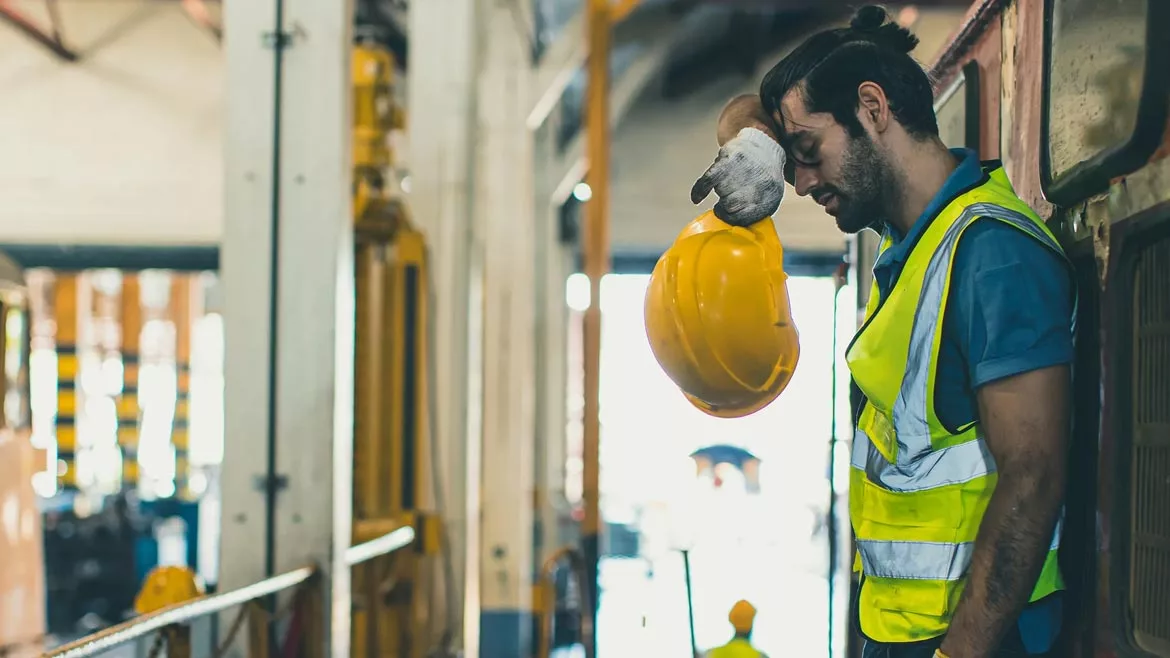
Worker leaning, wiping sweat off forehead, holding his safety hat in his hands.

Image Source: coffeekai / iStock / Getty Images Plus via Getty Images

June 3, 2024
✕
Image in modal.

As summer approaches, the risk of heat-related illnesses in the workplace becomes a significant concern. OSHA emphasizes the importance of recognizing, preventing, and responding to heat stress. Here’s how you can protect your workforce:

How do heat-related illnesses occur?

In warm environments, especially during physical activity, the body relies on sweating and increased blood flow to the skin to dissipate excess heat and maintain a healthy temperature. Workers cool down more effectively when environmental heat and physical exertion are minimized.

If heat dissipation is insufficient, the internal body temperature rises, leading to heat sickness. According to OSHA’s website, thousands of individuals each year become sick from occupational heat exposure, and in some cases, cause fatalities.

“Most outdoor fatalities, 50% to 70%, occur in the first few days of working in warm or hot environments because the body needs to build a tolerance to the heat gradually over time. The process of building tolerance is called heat acclimatization. Lack of acclimatization represents a major risk factor for fatal outcomes,” cites OSHA (https://www.osha.gov/heat-exposure).

Understanding heat-related illnesses

Heat-related illnesses range from mild conditions like heat rash and cramps to severe ones like heat exhaustion and heat stroke. Symptoms include excessive sweating, dizziness, nausea, and, in extreme cases, confusion or unconsciousness. Immediate cooling and medical attention are crucial for heat stroke.

Prevention strategies

  1. Hydration: Ensure workers have access to potable water and encourage regular hydration.
  2. Rest: Schedule frequent breaks in shaded or air-conditioned areas.
  3. Acclimatization: Gradually increase workload for new or returning workers to build heat tolerance.
  4. Work Scheduling: Adjust work schedules to cooler parts of the day and rotate demanding tasks.

Workplace modifications

  • Engineering Controls: Implement air conditioning, fans, and shaded areas to reduce heat exposure.
  • Work Practices: Use mechanical aids to reduce physical exertion and provide cooling vests or wet towels.

Training and emergency preparedness

Educate workers on recognizing heat illness symptoms and administering first aid. Develop an emergency plan that includes contacting medical services and immediate cooling procedures.

Monitoring and support

Regularly monitor workers for signs of heat stress and provide support for those with higher susceptibility due to personal risk factors such as medical conditions or lack of heat acclimatization.

For more comprehensive guidelines, visit OSHA’s heat exposure page here. Ensuring a proactive approach to heat safety can prevent serious health issues and promote a safe working environment.

To learn more, visit OSHA’s website: https://www.osha.gov/heat-exposure.

KEYWORDS: PHCP-PVF safety warehouse safety workplace safety

Share This Story

Looking for a reprint of this article?
From high-res PDFs to custom plaques, order your copy today!

Recommended Content

JOIN TODAY
to unlock your recommendations.

Already have an account? Sign In

  • Stock financial index show successful investment on property business and construction industry with graph and chart for presentation and report background.

    2025 predictions: Twelve trends supply houses should know

    As 2024 ends, I’ll review last year’s predictions and...
    Market Sectors
    By: Brad Williams
  • Background of aerial view of Industrial container port part of shipping in nighttime with a blue overlay.

    2025 Next Gen ALL-STARS: Top 20 Under 40 PHCP-PVF Professionals

    The future of the PHCP-PVF industry is being shaped by a...
    Market Sectors
    By: Natalie Forster
  • Premier 150: The top PHCP-PVF Distributors of 2026

    Premier 150: The Top PHCP-PVF Distributors of 2026

    Combined revenue across this year’s Premier 150 once...
    Plumbing
    By: Natalie Forster
Manage My Account
  • eMagazine
  • Newsletters
  • Manage My Preferences
  • Online Registration
  • Subscription Customer Service

More Videos

Popular Stories

Rob Micklus, Chris DellaSala, John McKeown and Bob DellaSala

2026 Manufacturers Rep of the Year: Keystone Sales & Associates

Price Increase Image

PHCP-PVF Price Increases: June 2026

Commercial outlook tech looking at pipes

Commercial Market Outlook: Retrofit Projects Lead the Way

2026 Premier Rankings

Events

December 30, 2030

Webinar Sponsorship Information

For webinar sponsorship information, visit www.bnpevents.com/webinars or email webinars@bnpmedia.com.

View All Submit An Event

Poll

Identifying Daily Time Loss Areas for Your Team

Where does your team lose the most time each day?
View Results Poll Archive

Products

The Water Came To A Stop

The Water Came To A Stop

See More Products

Download the FREE 2025 Water Conservation, Quality & Safety eBook

Download the Fifth annual Bath & Kitchen Pro eBook

Related Articles

  • So make the communications, even though you feel the fear.

    The customer is afraid, too

    See More
  • Prevent hot-work fires

    Prevent hot-work fires

    See More
  • Fire prevention

    Eye on Safety: Hot work

    See More

Related Products

See More Products
  • Inspector Book.jpg

    Lessons Learned: A Guide to Boilers for Home Inspectors

See More Products

Related Directories

  • InSinkErator

    InSinkErator, is the world's largest manufacturer of garbage disposals and instant hot water dispensers for home and commercial use. Over 85 years ago, InSinkErator revolutionized the way food waste was discarded in the kitchen, and it continues to be a category leader.
×

Stay in the know on the latest PHCP-PVF industry trends.

Get tailored content delivered your way.

JOIN TODAY!
  • RESOURCES
    • Advertise
    • Contact Us
    • Directories
    • Store
    • Want More
    • Plumbing & Mechanical
  • SIGN UP TODAY
    • Create Account
    • eMagazine
    • Newsletter
    • Customer Service
    • Manage Preferences
  • SERVICES
    • Marketing Services
    • Reprints
    • Market Research
    • List Rental
    • Survey/Respondent Access
  • STAY CONNECTED
    • LinkedIn
    • Facebook
    • Instagram
    • YouTube
    • X (Twitter)
  • PRIVACY
    • PRIVACY POLICY
    • TERMS & CONDITIONS
    • DO NOT SELL MY PERSONAL INFORMATION
    • PRIVACY REQUEST
    • ACCESSIBILITY

Copyright ©2026. All Rights Reserved BNP Media, Inc. and BNP Media II, LLC.

Design, CMS, Hosting & Web Development :: ePublishing