Ferguson shares tips for trade pros during disaster recovery
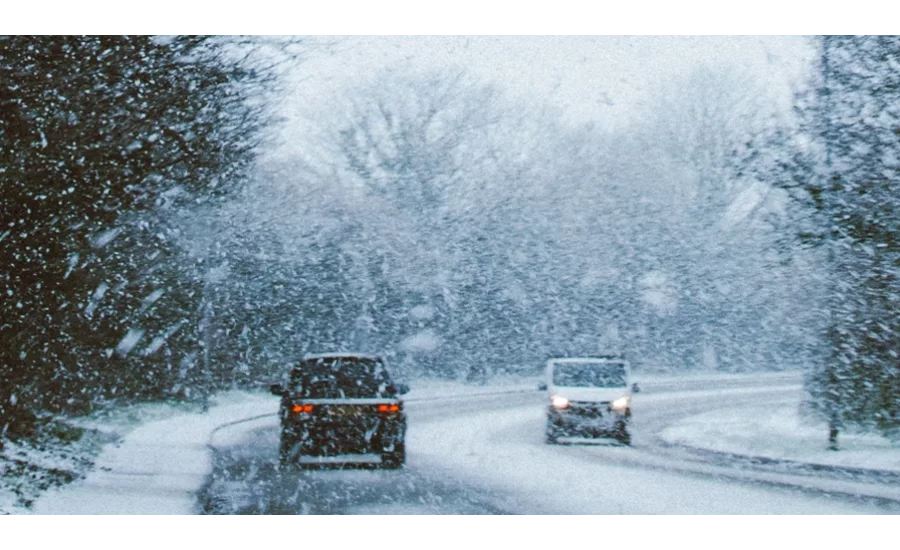
According to AccuWeather Founder and CEO Dr. Joel N. Myers, the total damage and economic loss caused by the historic storm could be close to $50 billion.
Included in that amount is the reconstruction of damage to businesses and homes, including much-needed plumbing and HVAC repairs. Across Texas, skilled trades professionals begin to make house calls. Simultaneously, Texas state and local governments look for ways to bring additional trades professionals outside of the state to assist in recovery efforts.
The recovery process will not be easy. Plus, it is made more complex by the pandemic. Running water is vital to COVID-19 prevention. From the beginning of the pandemic, the CDC said frequent hand-washing and heightened sanitation are vital elements among the various recommended preventive measures.
According to Matt Lowry, Ferguson Facilities Supply business manager who works with disaster recovery contractors, "Construction is already a dangerous field. Following a disaster, buildings are further compromised, making structures more unstable. The Texas ice storm is such a unique disaster that the contractors who typically respond to disasters don't have a template to know exactly what to do yet. This event, much more so than a hurricane, is so widespread that many who would respond to help others are not able to because they also are struggling. All that said, I expect that to change today as out-of-town contractors arrive and more local contractors get to work as the cleanup starts."
Dangers during disaster recovery
Contractors and trades professionals face many dangers during any disaster recovery, including potential exposure to lead, disturbed asbestos, sulfur dioxide, and toxic mixtures of solvents and drain cleaners. Homeowners' temporary repairs may be perilous. Lowry stated, "The danger from the homeowners' repairs will be heightened in this event. Continuous exposure to mold is also a real issue as the workers go to home after home that has not been touched or properly treated. Another issue for them is the physical fatigue from working every day, all day, for weeks. There are no weekends off in disaster response." Additionally, if cold weather remains or returns, icy conditions can present travel challenges and lead to trips, slips and falls.
There are ways to minimize your physical threat by ensuring there is a location for safe handling of tools and machinery and by wearing the proper personal protective equipment. There are other dangers that trades professionals need to be mindful of during disaster recovery.
Given the skilled trades shortage and the challenges associated with Texas' devastating winter storm, the recovery will be lengthy. Lowry said, "Disaster recovery takes months and years. Skilled trades professionals can be working on location for months — and many times years after the storm hits." Therefore, as skilled trades professionals assist recovery efforts, taking a moment to create a disaster recovery plan may seem like an unnecessary and time-consuming step as they want to get people back into their homes as quickly as possible.
Beyond the physical danger
Beyond the physical dangers, some may assume that trades professionals are not impacted by disaster recovery. Exposure to the destruction, human suffering and dire living conditions they witness in the homes they serve can be traumatic. Witnessing families in distress in the aftermath of disaster recovery is rarely acknowledged as stressful in the same way that other professions are in assisting recovery efforts such as first responders or humanitarian organizations.
"Responding to disasters is both rewarding and challenging work. Sources of stress for emergency responders may include witnessing human suffering, risk of personal harm, intense workloads, life-and-death decisions and separation from family. Stress prevention and management are critical for responders to stay well and to continue to help in the situation. There are important steps responders should take before, during, and after an event. To take care of others, responders must be feeling well and thinking clearly," - CDC, Emergency Responders: Tips for taking care of yourself.
Many times, professionals in the skilled trades industry are viewed as tough and immune. This view could create the perception among trades professionals that acknowledging any effect on them, especially long term, is an admission that they are weak and not as capable as their colleagues. The fear of being chastised by co-workers or loved ones may be a concern. Yet, the industry must overcome any stigma associated with asking for help when dealing with stress and mental fatigue.
Lowry said, "Skilled trades professionals are working with homeowners who are dealing with extraordinary grief. So, they can experience symptoms of extreme stress. While public safety workers are offered debriefings and counseling after the immediate aftermath of the trauma, skilled trades workers are assigned another family to get into their house as quickly as possible."
Given these risks and lack of recognition, why do they do it? It's personal. Lowry said, "Every one of the contractors I work with lives and works in an area prone to weather-related disaster and experienced weather-related loss. Some lost property. One contractor that I work with said that they did OK during Hurricane Katrina. They only lost one employee, and a couple of folks only lost their homes. Many had damage to their homes or family's homes. Regardless of the disaster, for the contractors, these are their communities. They know firsthand that the faster homeowners can return to their homes, the quicker the emotional healing process can begin."
Disaster recovery safety steps
Taking a few minutes to create a plan to keep teams safe — both physically and mentally — allows skilled trades professionals to serve families through the duration of the cleanup as they are there long after the first responders leave. Below are three steps that trades professionals can take to stay safe during disaster recovery efforts and help families begin the healing process:
1. Create a team or buddy system.
For physical safety: Make sure that someone knows where you are at all times and that you know where your crew members are at all times. Network with other crews. Have emergency contact information for everyone in your team and buddy system, as well as quick access to medical insurance information.
For mental support: Try to work in clusters and set check-in times. Acknowledge difficult situations and recognize small wins. Learn about one another in your network and ask about their families, hobbies and interests. Encourage one another to stay in contact with loved ones.
For business continuity: Select off-site individuals such as managers or administrators in your construction company who can call to ensure parts are on-site before making a trip away from the job site. Also, consider using apps to check inventory and use services like curbside pickup to reduce time and another opportunity for slip, trips and falls.
2. Plan ahead.
For physical safety: Designate an area for the safe handling of tools and machinery. Additionally, wear proper personal protective equipment, including following CDC guidelines to protect yourself and others to stop the spread of COVID-19.
For mental support: Plan schedules to limit working hours to no longer than 12-hour shifts. Remember that breaks, a healthy diet and adequate sleep and exercise are essential to providing sustained quality service.
For business continuity: If possible, identify parts you may need in surplus and work with a trusted supplier to create a workable plan to get much-needed parts and PPE. Also, work with a supplier who understands the complications associated with disaster recovery needs and pace. COVID-19 has created many supply chain issues, and a trusted supplier can help you navigate them.
3. Communicate often during the evolving conditions.
For physical safety: Communicate all safety plans during the evolving recovery efforts. Share trends on emerging worksite hazards. Make sure that contact information remains up to date. Any COVID-19 procedures regarding when and when not to enter a home must be restated.
For mental support: Signs of burnout and stress can emerge at any point during the disaster recovery. Be sure to review the signs of both that can include irritability and physical signs such as a "racing heart."
For business continuity: Select off-site individuals such as managers or administrators in your construction company who can communicate any safety procedures related to COVID-19 or other vital information to homeowners and residents before your arrival.
After the initial response
Safety can never be underrated. As weather-related activity increases and the skilled trades gap widens, the risk to skilled trades professionals multiples. Right now, it is estimated that there are 200,000 vacant positions in the construction industry. Lowry said, "As a result of the skilled trades shortage and loosened licensing requirements, there may be some people now that might know more about plumbing than the normal person trying to help. They are not plumbers — skilled trades professionals. The other day I told a guy who was struggling, 'tell me what you are trying to fix, and I'll figure out what you need for a temporary fix to do it.' Right now, everything is focused on the response, but that will not last."
Long after what we traditionally think of emergency responders — fire, police, doctors, nurses and humanitarian organizations — leave a disaster, skilled trades professionals remain. They are essential to successful recovery efforts. It is often the professional plumber or HVAC technician that the homeowner or resident sees most often. They are their lifeline. And often, these heroes remain months and years in the same community to complete the recovery process.
Lowry states, "Within the skilled trades, it's hard to recruit and it is even more challenging in the challenging disaster response subspace. In the future, we know that we'll face more weather-related tragedies. With each storm, we become better prepared and more resilient in terms of how we respond. But what we need to build is the resiliency of another kind: workforce resiliency." This new resiliency will help communities rebuild. It will also lessen the significant stress imposed from these events on the people rebuilding their homes and the skilled trade professionals working to help them.
Looking for a reprint of this article?
From high-res PDFs to custom plaques, order your copy today!