RSS
RSS
Safety Columnists

Eye on Safety | Taylor Albano
Developing the safety mindset: Why it matters
5 steps to achieve a culture around safety.
Read More

Eye on Safety | Pat Cunningham
Be prepared with a disaster preparedness plan
Six benefits of planning ahead.
Read More
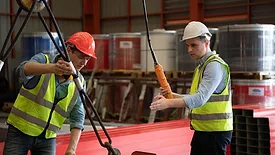
Eye on Safety | Taylor Albano
Ensuring safety in crane and hoist operations: A crucial guide
Understanding the four OSHA regulations and how they impact hoist safety.
Read More

Eye on Safety | Jennifer Wale
A standard for electrical equipment maintenance
Preventing electrical fires.
Read More


Eye on Safety | Pat Cunningham
Everyone is a risk manager
Workplace safety is a group effort.
Read More

EYE ON SAFETY | By ASA Safety Task Group
Pioneering safety: The CEO’s role in safety culture
A special message from the ASA Safety Task Group.
Read More

Eye on Safety | Justin Sassen
Understanding critical incident stress and its impact at work
Read More